
Our various wood line
goes with
our finest product line
LINDEN
Linden may be a strange name to most people in Asia. However, this is the most common wood
in the wood carving industry in the West. ‘What characteristics does it have?’ and ‘Is it different from the
popular wood for sculpture and fine arts in Asia?’ let’s find out through this article.
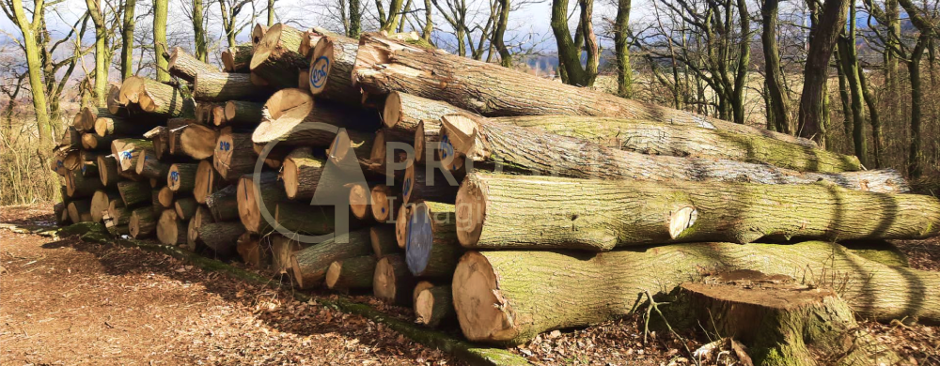
Harvesting Linden wood at Prospiva logging yard
BRIEF
Linden or Dandelion (many translations also known as European Bodhi tree, or
lime tree, nomenclature as Tilia) is a genus of about 30 species of woody trees. This kind of tree
originates in the Northern Hemisphere’s temperate regions. It mainly appears in Asia (where the Linden
species grows diversely ), Europe, and eastern North America, but not in western North America. In the
Cronquist classification, the genus is placed in the Tilioideae family of the Malvaceae.
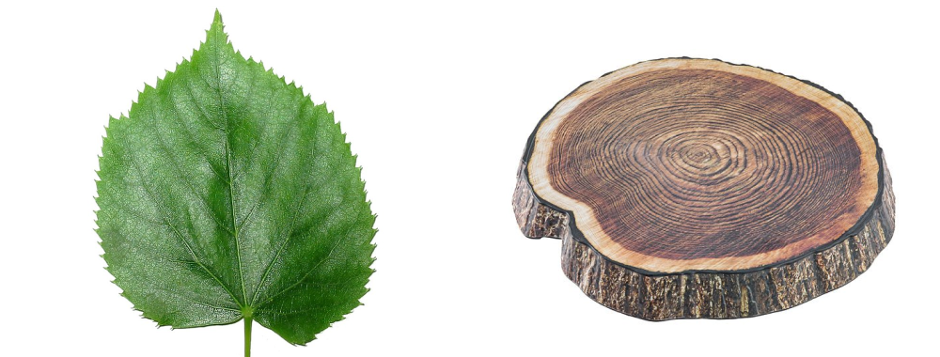
Linden leaf and Linden cross-section
Linden is a large deciduous tree that can reach 20-40 m high with oblique
heart-shaped leaves, 6–20 cm wide. It is mainly planted in temperate regions. The exact number of this
species is uncertain, as many species are easily interbred, both in the wild and cultivated by man.
The linden wood is from white to cream in color, with only small growth
rings. The color stays similar throughout the wood’s surface and tends to change to yellow or light brown.
Therefore, the linden grain is characterized by a slightly striped or flared longitudinal surface. The
growth rings of Linden are pretty small and similar; the difference between the rings is tough to be
recognized through seasons, even at the microscopic level.

Unter den Linden - Berlin's most famous street in Germany
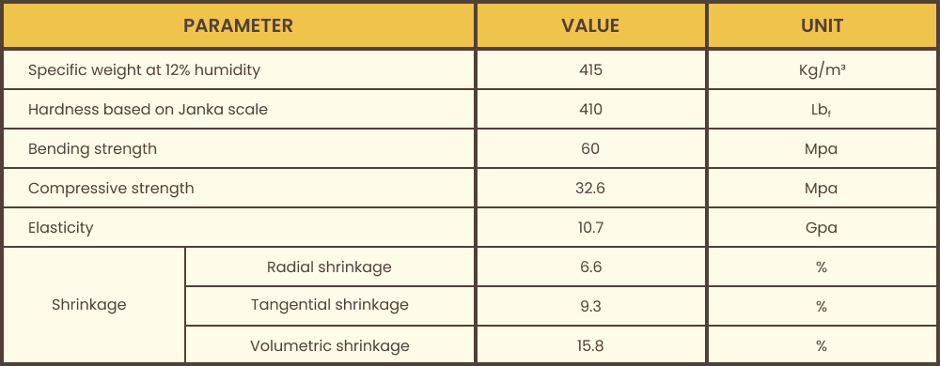
Parameter of Linden wood
PROS AND CONS
PROS
Linden wood has lightweight: only 535kg/m3 for European Linden and 410kg/m3
for American Linden.
Good machine resistance and easy to process.
Wood fiber is smooth, easy to polish, and sticks to paint.
It has beautiful grains with natural gloss, which is very suitable for
cladding and wood decorating.
Although Linden has a high initial shrinkage, it is very stable after being
dried. For this reason, this wood type is often used in the handicraft industry. Linden’s soft, smooth, and
even texture makes carving more effortless, while the pale wood color accentuates the carved patterns of the
finished product.
The most outstanding feature of Linden is that it can be used to make
kitchen tools such as spoons, bowls, and even children’s toys because it is a food-safe wood. It is
hypoallergenic and nearly odorless, which does not stain with oil and is highly resistant to humidity.
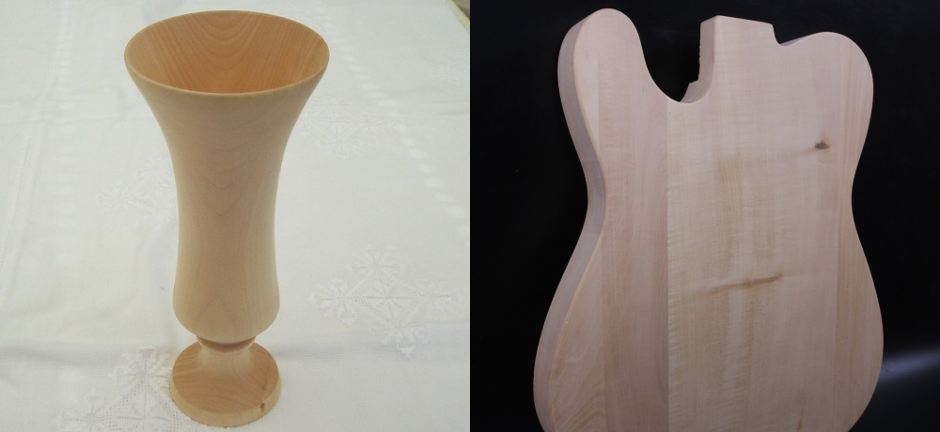
A cup and a guitar body made of Linden wood
CONS
Linden wood has low hardness: only 700 lbf for European Linden and 410 lbf
for American Linden (on the Janka scale), so it is not recommended to use in locations and structures that
require load bearing.
This kind of wood can be turned yellow when exposed to direct sunlight, so
it should not be used in outdoor furniture.
Wood often has a considerable loss in volume after drying.
SUMMARY
In conclusion, although Linden is a soft wood, it has many advantages,
especially with great potential in the art industry, manufacturing kitchen tools or children’s toys.
Hopefully, in the future, this friendly natural wood will become more and more popular and have a better
place in the worldwide wood market.